.png)
Human Metapneumovirus (HMPV) is a virus that affects the respiratory system. It can cause illnesses similar to the flu and the common cold.
Discovered in 2001, HMPV is a relatively new virus. It mainly affects young children, the elderly, and those with weak immune systems. The virus spreads through coughing, sneezing, and close contact. Symptoms include fever, cough, and difficulty breathing. Understanding HMPV is crucial for preventing its spread and ensuring proper treatment.
This guide will delve into the symptoms, prevention methods, and treatments for HMPV. Stay informed and protect your loved ones from this common but often overlooked virus.
Introduction To Human Metapneumovirus
Human Metapneumovirus is a virus. It causes lung infections. People of all ages can get it. It is like the cold. Symptoms include cough, fever, and stuffy nose. Children and old people are at high risk. The virus spreads through coughs and sneezes. It is very common in winter.
Knowing about Human Metapneumovirus is important. Awareness helps prevent the spread. Good hygiene is key. Wash your hands often. Avoid close contact with sick people. If sick, stay home. This protects others. Awareness can save lives.
Common Symptoms
Human Metapneumovirus often starts with a runny nose. Coughing is another early sign. Some people may have a fever. Sore throat is also common. Wheezing can happen too. These signs are usually mild. They often feel like a cold.
Severe symptoms are less common but more serious. Breathing problems can happen. High fever may occur. Some may have a deep cough. Chest pain is possible. Bluish skin can be seen in severe cases. These signs need medical help.
Children often show runny noses and coughs. Adults may just feel tired. Elderly may have more severe signs. Infants can have trouble breathing. Each group reacts differently to the virus. Knowing these differences helps in care.
Transmission Methods
Human Metapneumovirus spreads easily between people. Coughing and sneezing release tiny droplets. These droplets carry the virus. Touching surfaces with the virus can also spread it. After touching, people might touch their face. This helps the virus enter the body. Close contact like hugging can spread it too. Sharing drinks or utensils is risky. Children and elderly are more vulnerable.
Human Metapneumovirus spreads more in cold seasons. Crowded places increase the spread. Schools, daycares, and hospitals are common spots. Poor ventilation helps the virus stay longer in the air. Cleanliness reduces the risk. Washing hands often helps a lot. Using tissues and covering mouth when sneezing is crucial.

Credit: www.osmosis.org
Diagnosis Techniques
Doctors use lab tests to find human metapneumovirus. They take a sample from your nose or throat. This sample is checked for the virus. Sometimes, they use blood tests to see if you have the virus. The tests look for virus particles or antibodies.
Doctors also check your symptoms. They look for cough, fever, and runny nose. They ask about your health history. They listen to your lungs with a stethoscope. Sometimes, they use X-rays to see your lungs better. This helps them understand how the virus is affecting you.
Treatment Options
Doctors may prescribe antiviral medications. These help fight the virus. Antibiotics do not work for viruses. They are for bacterial infections. Over-the-counter medicine can ease symptoms. Pain relievers like acetaminophen can reduce fever. Nasal sprays may help with congestion. Always follow your doctor's advice.
Rest is important. Drink plenty of fluids to stay hydrated. Humidifiers can make breathing easier. Keep the air moist. Elevate the head while sleeping. This helps with breathing. Use warm compresses for comfort. Avoid smoking and secondhand smoke. It irritates the lungs. Stay away from crowded places. This prevents spreading the virus.

Credit: en.wikipedia.org
Prevention Strategies
Scientists work hard to create a vaccine for Human Metapneumovirus. A vaccine can help stop the virus from spreading. The vaccine will protect many people. It can keep kids and adults safe. Getting vaccinated is very important. It helps our bodies fight the virus. A strong immune system is our best defense.
Washing hands often is key. Use soap and water. Scrub for at least 20 seconds. Clean hands remove germs. Also, use hand sanitizer when soap is not available. Avoid touching your face. Germs enter through eyes, nose, and mouth. Cover your mouth when you cough or sneeze. Use a tissue or your elbow. Dispose of tissues properly. Clean surfaces at home and school. Disinfect toys and doorknobs often. These steps help keep the virus away.
Complications And Risks
Some people are more likely to get very sick. Babies and young kids fall into this group. Older adults also face high risks. People with weak immune systems are at risk too. These groups should be extra careful.
Human Metapneumovirus can cause long-term problems. Some people may have trouble breathing. Others might develop chronic lung disease. These issues can last for months. It's important to get medical help early. Early treatment can help reduce these risks.
Credit: en.wikipedia.org
Future Research And Developments
Scientists study human metapneumovirus to find better treatments. Many laboratories focus on how the virus spreads. Understanding this helps create effective vaccines. Some researchers test new medicines. They hope to stop the virus quickly.
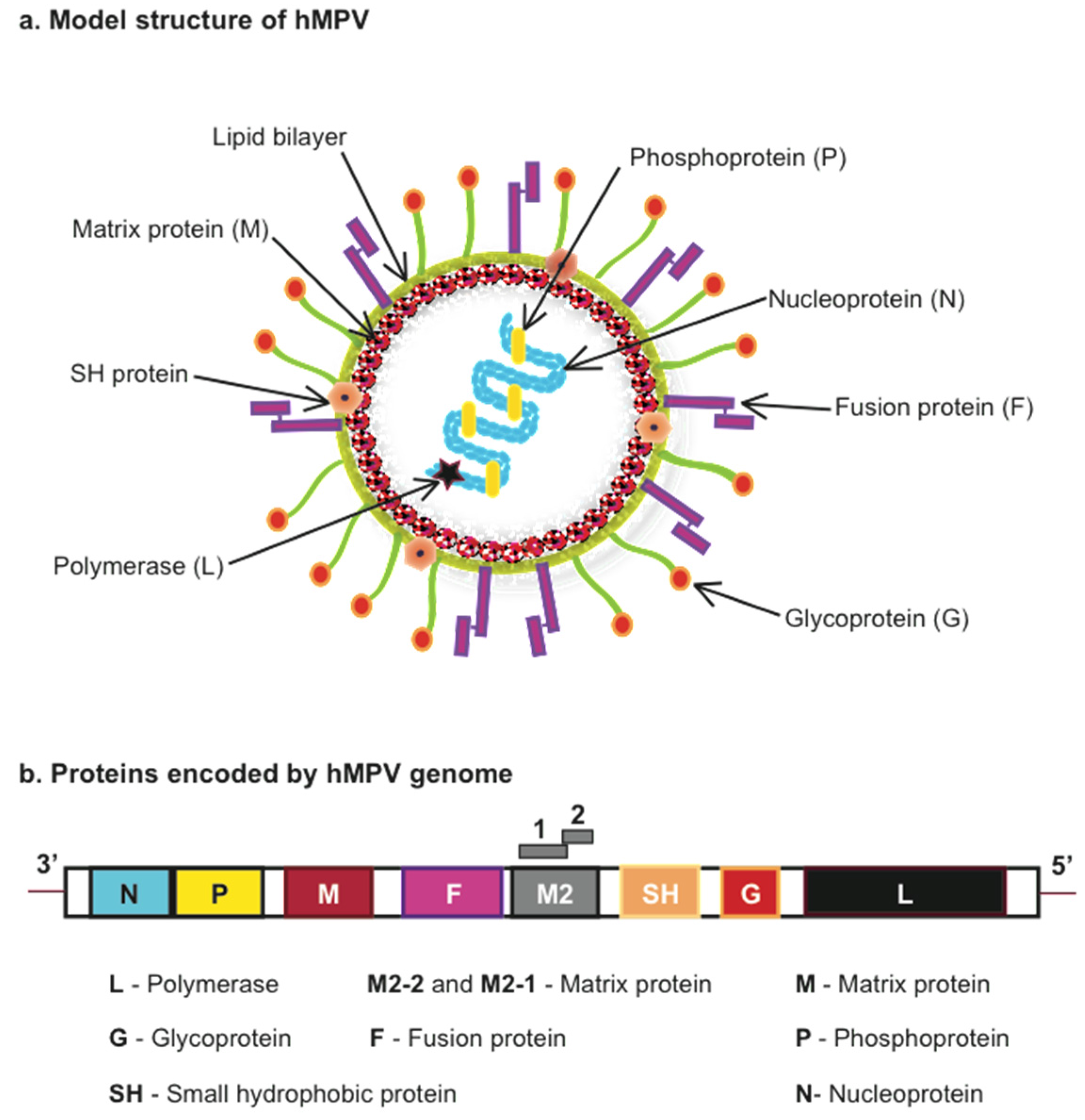
New discoveries can change how we fight the virus. Advanced technology helps researchers understand the virus's structure. This may lead to stronger vaccines. Some teams work on genetic solutions. They aim to make the body resist the virus naturally.
Frequently Asked Questions
What Is Human Metapneumovirus?
Human Metapneumovirus (HMPV) is a virus causing respiratory infections. It affects people of all ages. Symptoms range from mild to severe, including cough, fever, and breathing issues.
How Is HMPV Transmitted?
HMPV spreads through respiratory droplets from coughs or sneezes. It can also spread by touching contaminated surfaces. Good hygiene helps prevent transmission.
Who Is At Risk For HMPV?
Infants, elderly, and immunocompromised individuals are at higher risk. Those with chronic respiratory conditions are also more susceptible. General population can still be affected.
What Are Common Symptoms Of HMPV?
Common symptoms include cough, fever, nasal congestion, and shortness of breath. Some may experience wheezing and sore throat. Symptoms can vary in severity.
Conclusion
Human Metapneumovirus poses a real threat, especially to young and old. Awareness is key. Stay informed about symptoms and prevention. Regular hand washing helps stop the spread. Seek medical advice if symptoms arise. Vaccines are in development, offering hope. Stay safe and healthy by taking simple precautions.
Knowledge empowers us to protect ourselves and our loved ones. Stay vigilant, stay informed.




0 Comments