.png)
Surgical technology is a critical field in healthcare. Skilled surgical technologists support surgeons during operations, ensuring patient safety.
Choosing the right school for surgical technology can shape your career. With many options available, finding the best program is important. Schools offer different courses, facilities, and experiences. It's essential to pick one that aligns with your goals. Quality education, hands-on training, and accreditation are key factors.
In this guide, we'll help you understand what to look for in a surgical technology school. You'll gain insights into the top programs and what they offer. This information will help you make an informed decision. Ready to start your journey? Let's explore the best schools for surgical technology.

Credit: www.allalliedhealthschools.com
Introduction To Surgical Technology
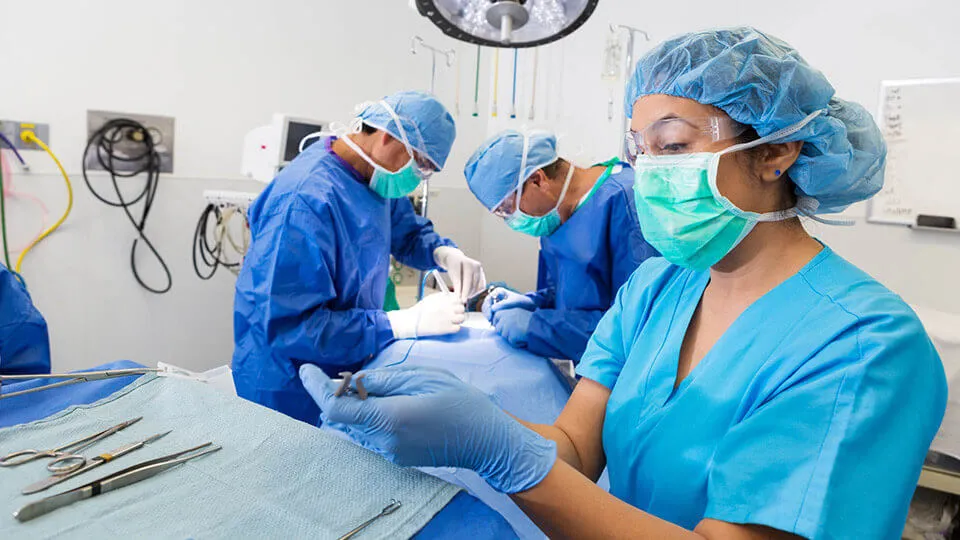
Surgical technology involves helping doctors during operations. Surgical technologists prepare the operating room. They make sure all tools are clean and ready. They also help during surgery by passing tools to the doctors.
Surgical technologists play a crucial role in the operating room. They keep everything sterile and safe. This helps prevent infections. They ensure the surgery goes smoothly. Without them, surgeries would be harder and riskier.
Choosing The Right Program
Pick a school with proper accreditation. Accredited programs meet high standards. They ensure quality education. Employers prefer graduates from accredited schools. It boosts job prospects. Always check the school’s accreditation status.
The curriculum should cover all essential topics. This includes patient care, sterilization techniques, and surgical procedures. Practical training is also very important. It helps you gain hands-on experience. Ensure the program has clinical internships. They provide real-world experience. This is crucial for skill development.
Top Surgical Technology Schools
Johns Hopkins University offers a top program for surgical technology. The school has modern labs and expert teachers. Students get hands-on training. They work with real tools and equipment. They can learn from top doctors. This school is in Baltimore, Maryland. It is known for its high standards. Many students find jobs quickly after graduation.
Mayo Clinic School of Health Sciences is another excellent choice. Located in Rochester, Minnesota, this school has world-class facilities. Students get to train in a real hospital. They learn from experienced surgeons. The program focuses on practical skills. It also covers important safety procedures. Many graduates start their careers at top hospitals.

Credit: www.allalliedhealthschools.com
Online Vs. On-campus Programs
Online programs offer flexibility. Students can learn at their own pace. They can study from anywhere. This is great for those with busy schedules. Online programs may cost less. There are no travel costs. Materials are often digital. Many find online learning more comfortable. They can work in a familiar environment. It's also easier to balance work and study.
On-campus learning provides hands-on experience. Students use real equipment. They can practice surgical techniques directly. There are face-to-face interactions. This helps in building relationships. Teachers can give immediate feedback. Group work is easier on-campus. Students can collaborate better. The campus resources are available. Libraries and labs are accessible. On-campus programs offer a structured schedule. This helps students stay on track.
Financial Aid And Scholarships
Many types of financial aid can help with school costs. Grants are one type. They do not need to be repaid. Loans are another type. These must be repaid with interest. Work-study programs let you work part-time to earn money for school. Each type has different rules and benefits.
Scholarships are gifts of money for school. Some are based on grades. Others are for special skills or talents. Many groups give scholarships. These include schools, companies, and clubs. Applying for scholarships takes time. It is worth the effort. Scholarships do not need to be repaid.
Career Opportunities For Graduates
Graduates have excellent job placement rates. Many find work quickly. Schools offer support for job searches. They help with resumes and interviews. This increases the chances of finding a job. High job placement rates show the demand for surgical technologists.
Surgical technologists can work in many places. Hospitals are the main employers. Clinics also hire many graduates. Outpatient care centers need skilled technologists. Doctor's offices offer opportunities too. Each place offers different experiences and learning.
Tips For Success In Surgical Technology Programs
Make a study schedule. Stick to it. Break study time into small parts. Use flashcards for quick review. Join a study group. Help each other. Stay organized with notes. Review them often. Take breaks to rest your mind. Stay positive and focused.
Practice skills in labs. Watch professionals at work. Ask questions. Learn from their experience. Be on time for your shifts. Show respect to everyone. Take notes during sessions. Review them later. Volunteer for tasks. Gain more hands-on experience.
Continuing Education And Certification
Certification shows you have the right skills. It helps you get jobs. Employers trust certified workers. Patients feel safer. Certification can lead to higher pay. It may also open doors to more advanced roles. Keeping your certification up-to-date is crucial.
Many schools offer continuing education for surgical techs. You can take online courses. Some classes are in person. Workshops offer hands-on learning. You may earn credits with each class. These credits help keep your certification active. Some hospitals provide free classes. Always check for the best options.
Credit: www.concorde.edu
Frequently Asked Questions
What Is Surgical Technology?
Surgical technology involves assisting in surgical operations. This includes preparing operating rooms, arranging equipment, and helping doctors during surgeries.
How Long Is Surgical Tech School?
Surgical tech programs typically last 12 to 24 months. This depends on whether you pursue a certificate, diploma, or associate degree.
What Do Surgical Techs Learn?
Surgical techs learn anatomy, medical terminology, and surgical procedures. They also train in sterilization techniques and patient care.
Are Surgical Technologists In Demand?
Yes, surgical technologists are in high demand. The healthcare industry continues to grow, increasing the need for skilled surgical techs.
Conclusion
Choosing the right school for surgical technology is crucial. Your future depends on it. Consider location, cost, and program length. Research each school's accreditation. Talk to current students if possible. Their feedback can be valuable. Make an informed decision. Your career in surgical technology starts here.
With the right education, success is within reach. Start your journey today and step into a promising future.




0 Comments