.png)
Short 10-minute bursts of exercise may activate powerful anti-cancer signals in the body. Learn how brief workouts influence immunity, hormones, and cancer prevention.
10-Minute Bursts of Exercise Can Trigger Anti-Cancer Signals in the Body
In a world where time feels increasingly scarce, the idea that just 10 minutes of exercise could make a meaningful difference to long-term health sounds almost too good to be true. Yet growing scientific evidence suggests that short, intense bursts of physical activity can trigger anti-cancer signals in the body, helping regulate inflammation, hormones, immune function, and cellular repair.
Rather than focusing solely on long workouts, researchers are now uncovering how brief, well-timed movement can initiate biological processes that may lower cancer risk and support overall resilience. This shift in understanding is changing how doctors, scientists, and fitness experts think about prevention—and it may be especially empowering for people who struggle to fit exercise into busy schedules.
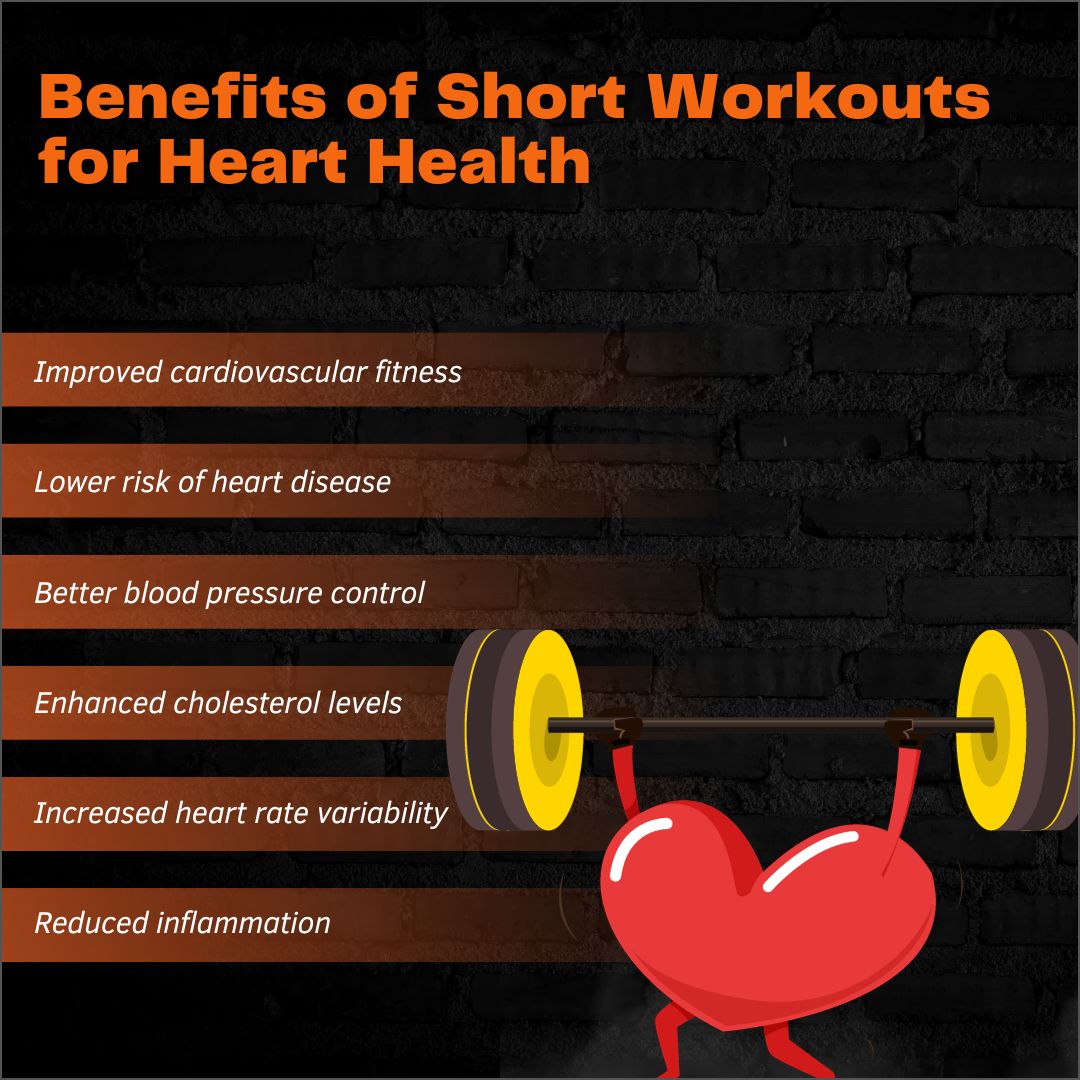
Why Exercise Matters in Cancer Prevention
Cancer does not appear overnight. It develops through a complex process involving DNA damage, chronic inflammation, immune dysfunction, and metabolic imbalance. Lifestyle factors—including physical activity—play a powerful role in influencing these processes.
Exercise has long been associated with lower rates of several cancers, including breast, colon, lung, and endometrial cancer. What’s new is the realization that even short bouts of movement can initiate biological changes once thought to require lengthy workouts.
The body responds to exercise almost immediately. Muscles contract, hormones shift, blood flow increases, and immune cells mobilize. These rapid responses form the foundation of the anti-cancer signaling effect seen with brief exercise sessions.
What Are Anti-Cancer Signals?
“Anti-cancer signals” is not a single chemical or hormone. It refers to a network of biological messages that help the body suppress abnormal cell growth and maintain healthy tissue.
These signals include:
- Myokines released by contracting muscles
- Improved insulin sensitivity that reduces excess growth signals
- Anti-inflammatory responses that limit cellular damage
- Immune activation, including natural killer (NK) cells
- Enhanced DNA repair mechanisms
Remarkably, many of these responses are activated within minutes of starting physical activity—even when the exercise duration is short.
How 10-Minute Bursts Activate Protective Pathways
Short exercise sessions, especially when performed at moderate to high intensity, appear to deliver a strong biological “wake-up call” to the body.
1. Muscle-Derived Myokines
When muscles contract, they release signaling proteins known as myokines. Some myokines have been shown to inhibit tumor growth and reduce inflammation. Even brief activity can stimulate their release.
2. Immune System Mobilization
Within minutes of exercise, immune cells flood the bloodstream. Natural killer cells—important for identifying and destroying abnormal cells—become more active and efficient.
3. Hormonal Balance
Short workouts help regulate insulin and estrogen levels. Elevated levels of these hormones have been linked to increased cancer risk when chronically high.
4. Reduced Chronic Inflammation
While intense exercise temporarily raises inflammation, the long-term effect is a net reduction in chronic inflammation, which is a known driver of cancer development.
5. Enhanced Blood Flow and Oxygenation
Improved circulation delivers oxygen and nutrients to tissues while supporting waste removal, creating an environment less favorable for malignant cells.
Why Short Workouts May Be More Sustainable
One of the biggest barriers to exercise is time. Traditional guidelines often emphasize 30–60 minutes of activity, which can feel overwhelming. Ten-minute bursts lower the psychological and practical barrier, making consistency more achievable.
Consistency matters. The body benefits from repeated signaling, not occasional extreme effort. Multiple short sessions throughout the week may cumulatively provide similar—or even greater—protective effects compared to sporadic long workouts.
Types of 10-Minute Exercise That Work
Not all movement produces the same biological response. To trigger anti-cancer signals, the activity should raise heart rate and engage large muscle groups.
Effective options include:
- Brisk walking or stair climbing
- Bodyweight circuits (squats, push-ups, lunges)
- Cycling at a fast pace
- Short high-intensity interval training (HIIT) sessions
- Dancing or jump rope
The key is intentional effort, not perfection.
How Often Should You Do It?
Research suggests that frequency matters more than duration. Engaging in 10-minute bursts:
- 2–3 times per day, or
- 5–6 times per week
can repeatedly stimulate protective biological pathways. Over time, these repeated signals may help reduce cancer-promoting conditions in the body.
What This Does—and Does Not—Mean
It’s important to be clear: exercise is not a cure for cancer. However, it is a powerful tool for risk reduction and overall health optimization.
Short workouts do not replace medical care, screenings, or treatment. Instead, they act as a supportive strategy that strengthens the body’s natural defense systems.
Who Benefits the Most?
The encouraging news is that almost everyone can benefit from short exercise bursts, including:
- Busy professionals
- Older adults
- People returning to activity after illness
- Individuals managing chronic conditions
Always consult a healthcare provider before starting a new exercise routine, especially if you have existing medical concerns.
Frequently Asked Questions (FAQs)
1. Can 10 minutes of exercise really make a difference?
Yes. Studies show that even brief exercise sessions can activate immune cells, improve insulin sensitivity, and reduce inflammation—all linked to cancer risk reduction.
2. Does the exercise need to be intense?
Moderate to high intensity is most effective, but even brisk walking can trigger beneficial signals if it raises your heart rate.
3. Is it better to do one long workout or several short ones?
Both are beneficial, but multiple short workouts may be easier to maintain and can repeatedly activate protective pathways.
4. Can exercise help people who already have cancer?
Exercise may support immune function, reduce treatment side effects, and improve quality of life, but it should always be guided by medical professionals.
5. How soon do these anti-cancer signals start working?
Many biological responses begin within minutes of starting exercise, which is why even short sessions are effective.
Conclusion
The idea that 10-minute bursts of exercise can trigger anti-cancer signals in the body represents a powerful shift in how we think about movement and health. Rather than viewing exercise as an all-or-nothing commitment, science now supports a more accessible approach—one that fits into real life.
By activating immune defenses, balancing hormones, and reducing inflammation, short workouts offer meaningful protection at the cellular level. Over time, these small, consistent actions may help create an internal environment where cancer struggles to take hold.
In a busy world, that’s an empowering message: you don’t need hours—just intention, consistency, and movement.




0 Comments