.png)
Ivy League universities are prestigious and well-known in the USA. They represent excellence in education and have a rich history.
These schools are famous worldwide for their academic achievements and influential alumni. Their reputation attracts students seeking top-notch education and opportunities. With a focus on diverse programs, these universities offer an enriching environment. Understanding the significance of Ivy League schools helps in appreciating their impact.
They have shaped leaders, thinkers, and innovators across generations. Their campuses boast impressive architecture and vibrant student life. The rigorous admission process adds to their allure, making them a dream for many aspiring students. These universities not only offer education but also foster a community of learning and growth. Knowing more about them can inspire and guide future educational pursuits.
Introduction To Ivy League
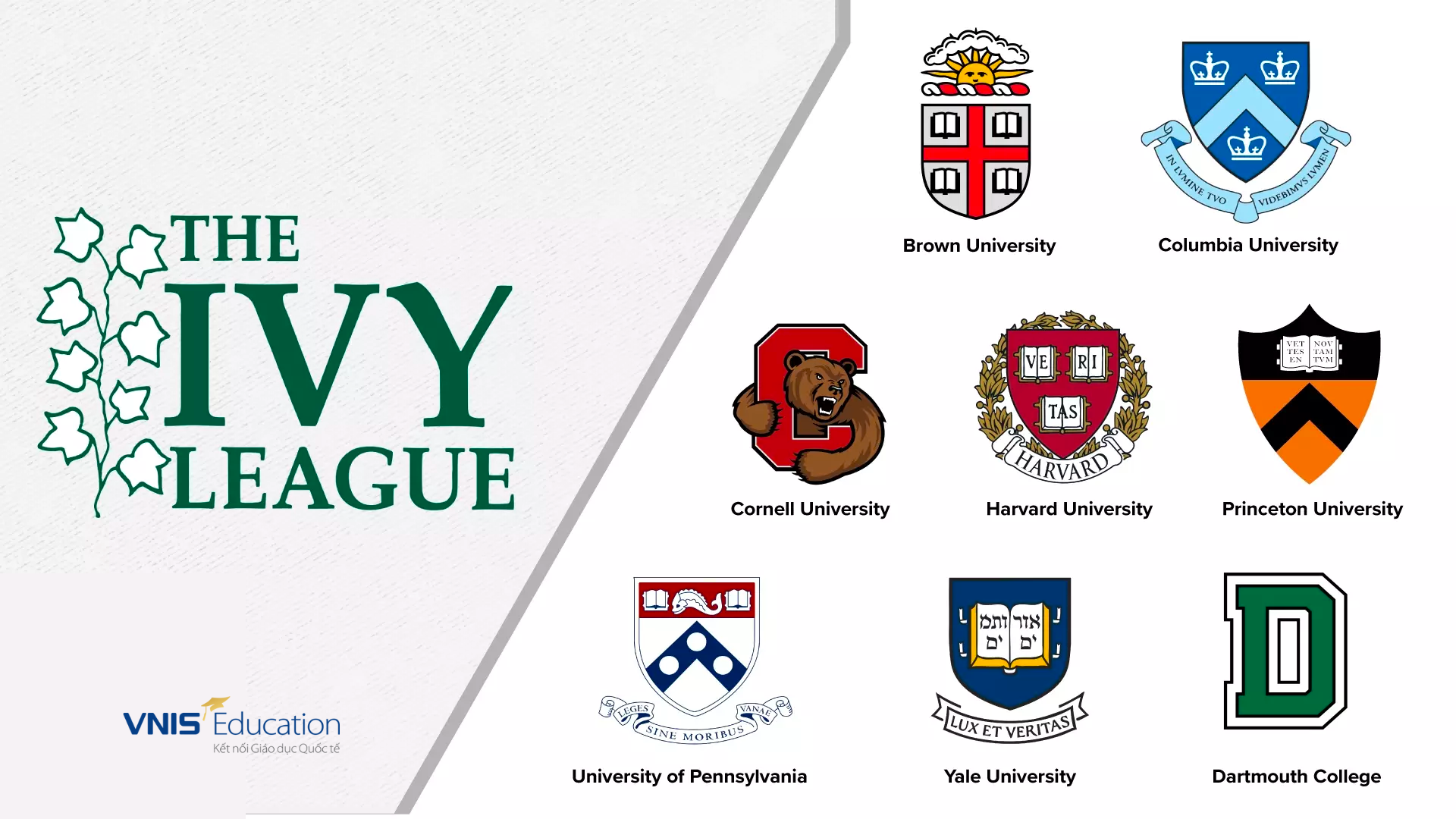
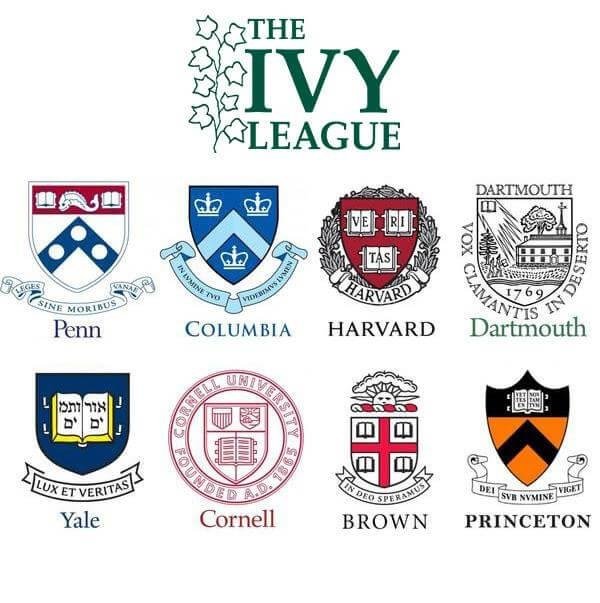
Ivy League is a group of eight famous universities. These schools are known for their high standards. They have a long history in the United States. People often admire them for their quality education and rich tradition.
The Ivy League started in the 1950s. It began as a sports league for football. Over time, it grew in reputation. These schools became symbols of academic excellence. They are some of the oldest schools in America. Each has a unique story and contribution to education.
- Harvard University in Massachusetts
- Yale University in Connecticut
- Princeton University in New Jersey
- Columbia University in New York
- Cornell University in New York
- University of Pennsylvania in Pennsylvania
- Dartmouth College in New Hampshire
- Brown University in Rhode Island
Academic Excellence
Ivy League schools offer a challenging curriculum. Students face high expectations. Courses are demanding and detailed. Critical thinking is a must. Students learn to solve complex problems. Class sizes are often small. This allows for personal attention from professors. The goal is deep understanding of subjects.
Research is a key part of Ivy League education. Students can join cutting-edge projects. They work with leading experts. Labs are well-equipped. There are many grants and funding options. Students often publish papers. This helps in building their careers. Collaboration is encouraged. Ideas are shared and discussed openly.
Admission Process
To apply, students need a strong academic record. Most Ivy League schools require high GPA and SAT or ACT scores. Letters of recommendation are very important. Students must write personal essays. Extracurricular activities show your interests. Some schools ask for interviews. Be prepared and show your best.
Ivy League schools look at many factors. They consider grades and test scores. They value leadership skills. Community service is important. Extracurricular activities matter. Personal essays must be strong. Interviews can make a difference. They want well-rounded students. Show passion and commitment.
Campus Life
Ivy League universities have many student organizations. These groups cover different interests. Sports teams, music clubs, and science groups are popular. Students join to meet friends and learn new skills. Every group has events and meetings. Being part of a club makes college life fun and engaging.
Living facilities at Ivy League schools are top-notch. Dorms are clean and safe. Many dorms have study rooms and common areas. Students can relax and socialize there. Some dorms have kitchens. This lets students cook their meals. Good living facilities help students feel at home.
Financial Aid
Many Ivy League universities offer scholarships. These can help with tuition costs. Scholarships often depend on academic or athletic achievements. Some are based on financial need. It is important to check each university's requirements. Applying early can increase chances.
Grants do not need to be paid back. They are often based on financial need. Many Ivy League schools offer grants. Loans must be paid back after graduation. Both federal and private loans are available. Students should consider interest rates. Always read the terms carefully.

Credit: www.gradding.com
Career Prospects
Graduates from Ivy League universities have strong job placement rates. Many companies prefer hiring students from these schools. The reputation of Ivy League institutions helps in the job market. Graduates often find jobs in top companies.
Ivy League universities have large alumni networks. These networks help graduates find jobs. Alumni often work in influential positions. They can give advice and provide job leads. This support helps in building careers.
Unique Traditions
The Ivy League has many historic events. Students celebrate these events yearly. Harvard's graduation is famous. It dates back to the 1600s. Princeton has an event called "Reunions." Alumni come back to campus. They wear jackets with bright colors. Yale's famous event is the "Yale-Harvard Game." It is a football game. It has a long history.
Each Ivy League school has unique cultural practices. Harvard students join secret clubs. These clubs are called "final clubs." Princeton has a tradition called "Eating Clubs." Students join these clubs for meals and social events. Yale has "Secret Societies." Only a few students can join. Each society has special rituals. Columbia has a tradition called "Bacchanal." It is a big music festival. Students enjoy live performances and fun activities.
Credit: vnis.edu.vn
Challenges And Criticisms
Many students find it hard to enter Ivy League schools. High tuition fees are one major reason. Not everyone can afford these costs. Scholarships are available, but not enough for all. Some students need to take large loans. This puts them in debt for years. The admission process is also tough. Students need high grades and test scores. Many families can't afford private tutors or extra classes. This makes it even harder for them to compete.
Students in Ivy League schools feel a lot of pressure. They must keep up with their peers. Many feel they must be perfect. This can lead to stress and anxiety. Some students feel they do not belong. They might feel different from others. This is because of their background or family income. Others feel they must always succeed. This can make them feel very tired and sad. Many students find it hard to balance studies and life. This can affect their mental health.
Credit: rostrumedu.com
Frequently Asked Questions
Are There 12 Or 8 Ivy League Schools?
There are 8 Ivy League schools. They include Harvard, Yale, Princeton, Columbia, Brown, Dartmouth, Cornell, and the University of Pennsylvania.
How Many Ivy League Universities Are There In Usa?
There are eight Ivy League universities in the USA. They include Harvard, Yale, Princeton, Columbia, Brown, Dartmouth, Cornell, and UPenn.
Why Are They Called Ivy League?
Ivy League schools are named after the ivy plants growing on their historic buildings. The term originated in the 1930s.
Why Is Stanford Not An Ivy?
Stanford is not an Ivy League school because the Ivy League is a specific group of eight Northeastern U. S. colleges. Stanford is located in California and is part of the Pac-12 Conference, which is different from the Ivy League's athletic and academic consortium.
Conclusion
Ivy League universities in the USA offer unique opportunities for students. They provide top-notch education and valuable resources. Their prestigious reputation attracts global recognition. Students gain access to powerful alumni networks. These universities support diverse academic and personal growth. Choosing an Ivy League school can shape your future.
Education here opens doors to many career paths. They foster a culture of excellence and innovation. If you seek high-quality education, consider these institutions. They truly stand out in the world of higher education.




0 Comments