.png)
Technical and vocational education is gaining attention in the USA. It offers practical skills for various careers.
This type of education is crucial in today's fast-changing job market. It prepares students for real-world challenges. Unlike traditional education, it focuses on hands-on experience. Students learn by doing, which can lead to quicker employment. Many industries now seek skilled workers who can start contributing immediately.
Vocational education meets this demand by providing targeted training. It helps students become job-ready and confident. This education path is diverse, covering fields like healthcare, technology, and trades. It also supports lifelong learning and adaptability. As more students explore these options, the future workforce looks promising. Let's dive into what makes technical and vocational education in the USA unique and impactful.
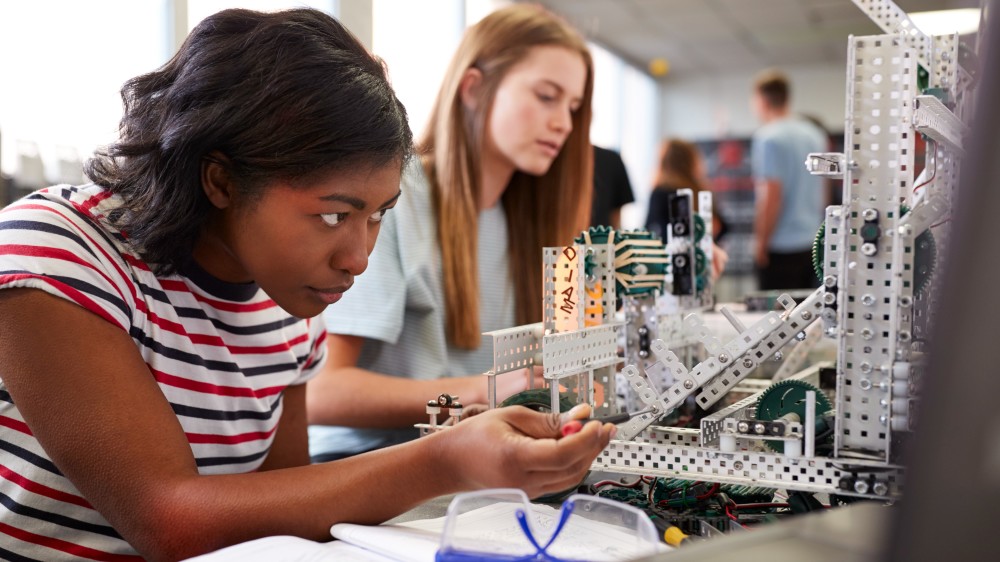
Credit: shorelight.com
Importance Of Technical And Vocational Education
Technical and vocational education helps students learn real-world skills. These programs teach hands-on tasks. Students can work in many fields like health or technology. Learning these skills can lead to good jobs. Many students find work right after school. This type of education is often cheaper than college. Students can save money. They finish school faster and start working. Skills learned are useful for life. They help students grow and succeed.
Technical education helps the economy grow. Skilled workers are needed. They fill important jobs in many areas. More skilled workers mean better products and services. This helps businesses prosper. A strong workforce makes a healthy economy. It creates more jobs for others. Companies thrive and communities do better. Skilled workers help the country compete globally. They make sure we stay strong in the world market.

Credit: www.global-opportunities.net
Types Of Programs Available
Certificate programs teach specific skills. These programs usually last less than a year. Many schools offer these programs. Certificates help in finding jobs quickly. They cover topics like plumbing, electricity, and healthcare. Practical training is often included. Certificate programs are great for fast learning.
Associate degrees take two years to complete. They are more detailed than certificates. Many colleges offer these programs. Students learn a mix of theory and practice. Popular fields are nursing, engineering, and business. These degrees prepare students for better jobs. They can also transfer credits to a bachelor's degree.
Popular Fields Of Study
Healthcare is a vital field with many job opportunities. Students learn to care for patients. They study medical procedures and healthcare systems. Nurses, medical assistants, and technicians are in demand. Training includes hands-on practice. Graduates find jobs in hospitals and clinics. This field offers steady employment and good salaries.
Information Technology focuses on computers and software. Students learn to build and repair computers. They study programming and networking. Jobs include IT support, developers, and network administrators. Training involves technical skills and problem-solving. Graduates work in offices, data centers, and tech companies. IT offers high demand and competitive pay.
Role Of Community Colleges
Community colleges offer affordable education options. Tuition fees are lower than universities. Many students can save money. Scholarships and financial aid are also available. This makes education more accessible. Students can work and study at the same time. Many students graduate with less debt. This helps them start their careers faster.
Community colleges are often close to home. This makes them easy to access. Many have flexible schedules. Students can attend day or night classes. Online courses are also available. This helps students balance work and study. Many community colleges have support services. They help students with tutoring and counseling. This ensures students succeed in their studies.
Partnerships With Industry
Many schools offer internships with local companies. These internships provide real-world experience. Students learn important skills for their future jobs. They also get to network with professionals. This helps them find jobs after they graduate. Internships also let students see different career paths. They can decide what they like best. Internships are a key part of technical and vocational education.
Schools often help with job placement after graduation. They work with local businesses to find job openings. They also help students prepare resumes and practice for interviews. Many schools have career centers. These centers offer job listings and career advice. Job placement services help students start their careers quickly. This support is crucial for new graduates.
Funding And Scholarships
Federal aid can help pay for education. This includes grants, loans, and work-study programs. Grants do not need to be repaid. Loans must be paid back after school. Work-study lets students earn money while studying. Federal Pell Grants are popular. They help low-income students. Federal Student Aid also offers loans. Many students use them.
Private scholarships come from companies, groups, and individuals. They help pay for school. Some scholarships are for good grades. Others are for special talents or interests. Many websites list scholarships. Students should apply early. Scholarships can cover many costs. They can pay for books, tuition, and more. Some scholarships are small. Others cover all expenses.
Career Outcomes
Technical and vocational education often leads to high employment rates. Many graduates find jobs quickly. Employers value practical skills learned in these programs. This education focuses on hands-on training. Graduates are ready for work right away. The skills are in demand.
Graduates can expect good salaries. Many technical jobs pay well. Skilled workers are needed. Salaries can vary. It depends on the field. Some fields offer higher pay. Others may offer steady employment. Overall, vocational education can lead to a good income.

Credit: unesdoc.unesco.org
Future Of Technical And Vocational Education
Technical education is changing fast. New tools and machines are used in schools. Students learn about AI and robotics. They work with 3D printers and virtual reality. These skills are important for new jobs. Teachers must stay updated with new tech.
The job market is always changing. Many old jobs are gone. New jobs are created every year. Vocational education helps students prepare for these new jobs. Skills like coding and digital marketing are needed. Hands-on training is very important. It helps students get ready for work. Employers look for these skills.
Frequently Asked Questions
What Is Vocational And Technical Education in The US?
Vocational and technical education in the US provides hands-on training and skills for specific trades or careers. Students gain practical experience and industry-specific knowledge, preparing them for immediate employment. This education can be offered at high schools, community colleges, and technical institutes.
What is TVET in The USA?
TVET in the USA stands for Technical and Vocational Education and Training. It provides practical skills and education for various trades and careers. TVET programs aim to prepare students for the workforce with hands-on training and industry-specific knowledge.
What is Career And Technical Education in The United States?
Career and technical education in the United States provides practical skills and training for various careers. It includes programs in fields like healthcare, technology, and trades, aiming to prepare students for the workforce through hands-on experience and specialized instruction.
Is Votech Considered College?
Votech, or vocational-technical schools, offer specialized training and certificates. They are not traditional colleges but provide career-focused education. Students gain hands-on skills for specific trades or professions. Votech programs differ from four-year colleges in structure, duration, and focus. They are ideal for those seeking practical expertise quickly.
Conclusion
Technical and vocational education in the USA offers valuable career paths. Students gain practical skills for the job market. This type of education helps fill important roles in society. It also provides opportunities for personal growth. Schools should continue promoting these programs.
They are essential for a strong economy. By choosing this path, students can secure stable and fulfilling careers. This education system supports both individual and national progress. It's a smart choice for many. So, consider technical and vocational education. It might be the right path for you.




0 Comments